Expert Tips for Sustainable Tree Planting and Care Dec 27, 2025
The first step towards sustainable tree planting is choosing the right tree for your landscape. Consider native species that are well-adapted to the local climate and soil conditions, as they are more likely to thrive without extensive maintenance. Native trees also support local ecosystems, providing habitat and food for wildlife. When selecting a tree, pay attention to its mature size and ensure it has enough space to grow without interfering with power lines or structures.
Planting a tree might seem straightforward, but it requires careful preparation. Begin by choosing the right season, which is typically in the fall or early spring when the weather is mild. This gives trees ample time to establish roots before facing the stress of extreme temperatures. Dig a hole two to three times wider than the root ball but no deeper than its height. This allows the roots to spread out and stabilize the tree.
Proper watering is crucial for tree health, especially in the first few years after planting. Water deeply and infrequently to encourage deep root growth, which helps trees withstand drought conditions. Mulching is another effective practice for sustainable tree care. Apply a layer of organic mulch around the base of the tree, but keep it away from the trunk to prevent rot. Mulch helps retain moisture, regulates soil temperature, and suppresses weeds that compete for nutrients.
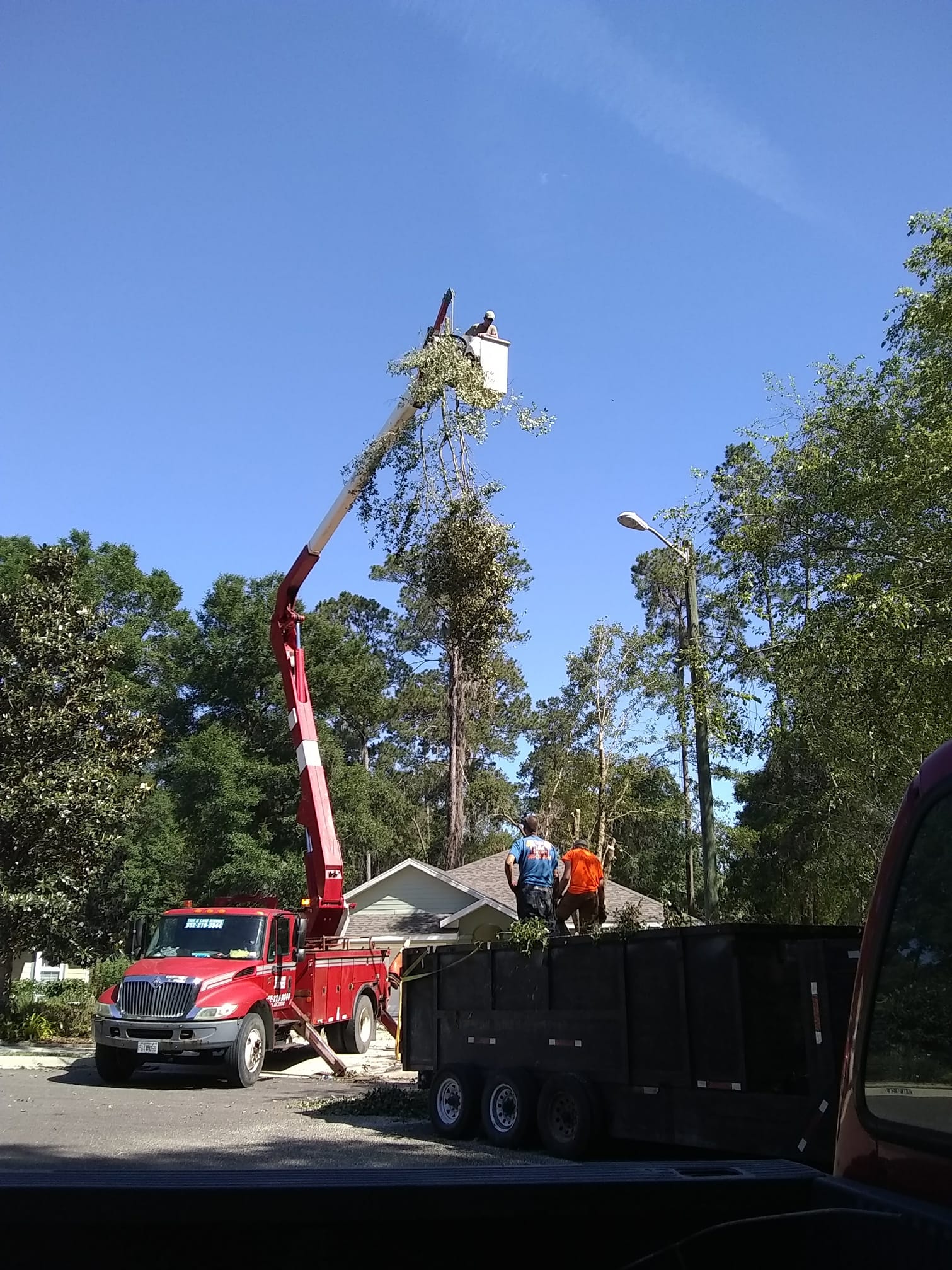
Pruning is another critical aspect of tree care, promoting healthy growth and reducing the risk of disease. However, it’s important to prune responsibly and strategically. Avoid excessive pruning, which can stress the tree and make it susceptible to pests. Instead, focus on removing dead or diseased branches and shaping the tree to encourage a strong structure. The best time to prune varies by tree species, so consult with a professional arborist if you’re uncertain.
Sustainable tree care also involves monitoring for pests and disease. Early detection is key to preventing infestations from spreading. Use integrated pest management techniques that prioritize natural and non-chemical methods. For instance, encourage beneficial insects that prey on harmful pests, or use organic sprays when necessary. Keep in mind that a healthy tree is more resilient to pests and diseases, so regular care is essential.
Incorporating these expert tips into your tree planting and care routine not only supports a sustainable environment but also ensures the trees on your property remain healthy and beautiful for generations. By choosing the right trees, planting correctly, and maintaining them diligently, you contribute to a greener, healthier world.
At Asbell’s Tree & Land Services, we’re here to help with all your tree service needs. Whether you need assistance with selecting the right species, planting, or ongoing tree maintenance, our team of experts is ready to provide the guidance and support necessary to keep your landscape thriving sustainably. Let’s work together to create a better environment, one tree at a time.
/filters:no_upscale()/filters:format(webp)/media/9912cebb-3220-46ae-9d9f-5caaf4be7eb9.jpg)