Future-Proof Your Garden: Adapting Tree Care for Climate Change May 18, 2026
As temperatures climb and weather patterns become more erratic, trees face new stress factors. These changes can lead to issues like increased susceptibility to diseases and pests, as well as challenges in soil fertility and water availability. Therefore, adopting resilient practices is crucial for maintaining a thriving garden.
Understanding your local climate trends is the first step in adapting your tree care methods. Pay attention to changes in precipitation patterns, temperature fluctuations, and the frequency of extreme weather events in your area. This will help you anticipate the specific challenges your trees might face. Consulting with local experts or utilizing regional climate reports can provide invaluable insights into anticipated changes.
Choosing the right tree species is essential. Favor tree varieties that are native or well-suited to your changing climate, as they are often more resilient to local conditions. Native species typically require less maintenance and are better adapted to withstand local pests and diseases. If you're planting new trees, consider drought-resistant varieties, which can thrive with less water and are better equipped to handle heatwaves.
Water management is another key aspect of climate-adapted tree care. With the potential for longer dry spells, efficient water-use strategies are imperative. Implementing drip irrigation systems can ensure trees receive consistent moisture with minimal waste. Mulching around tree bases helps retain soil moisture and regulate temperature, which is especially beneficial during hot summers.
The health of your trees heavily depends on the soil quality. Climate change can alter soil composition by affecting nutrient cycles and increasing the risk of erosion. Regular soil testing can help you monitor pH levels and nutrient availability. Based on the results, you can adjust fertilization practices to provide your trees with the nutrients they need to thrive in a changing environment. Opt for organic fertilizers that improve soil structure and support beneficial microorganisms.
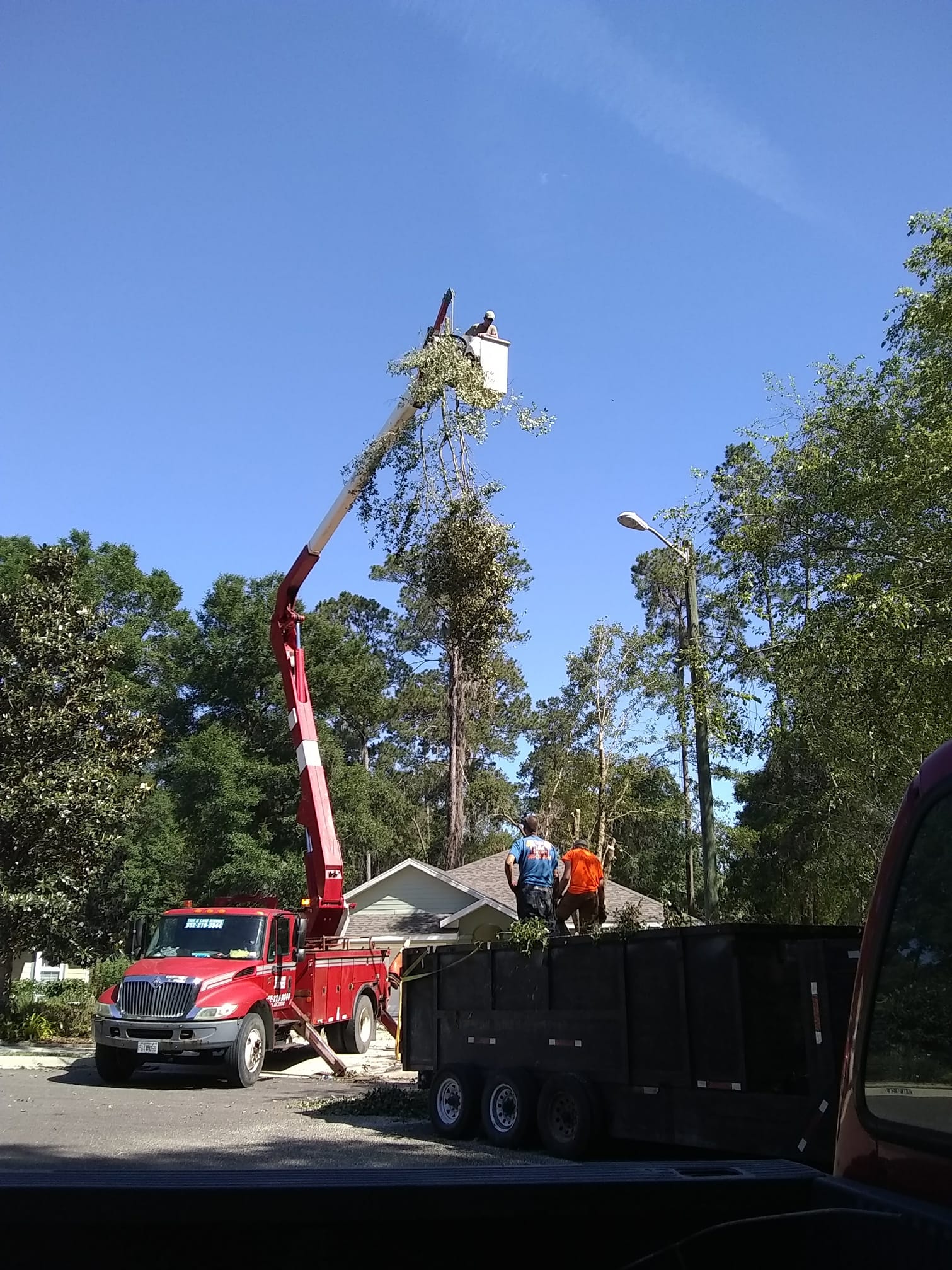
Pruning remains a vital practice to promote tree health, particularly in preparing for more intense storms and winds. Regular pruning helps remove weak or dead branches that could pose a threat during heavy winds, ensuring the tree's structural integrity. If you're unsure about how to correctly prune, Asbell’s Tree & Land Services offers professional guidance to keep your trees safely maintained.
Another consideration is modifying your pest management approaches. Warmer temperatures can increase pest populations, introducing new threats to your trees. Integrated pest management (IPM) strategies that include monitoring, prevention, and control measures can lead to fewer pesticide applications and healthier ecosystems. Encouraging beneficial insects and using natural deterrents like neem oil can effectively keep pest populations in check.
Finally, fostering tree resilience means remaining vigilant and proactive. Maintain regular check-ups with professional arborists to swiftly tackle any emerging issues. Being informed and prepared allows you to adapt quickly to the ever-evolving climate conditions.
In conclusion, adapting tree care practices in response to climate change is not just a means of preserving garden aesthetics—it's crucial for safeguarding our environment and ensuring the longevity of our landscapes. At Asbell’s Tree & Land Services, we are committed to helping you navigate these changes with sustainable and effective solutions. By making informed choices today, you can ensure that your garden remains vibrant and resilient for generations to come.
/filters:no_upscale()/filters:format(webp)/media/9912cebb-3220-46ae-9d9f-5caaf4be7eb9.jpg)