The Impact of Trees on Air Quality: Cleaner Air for Urban Living May 06, 2026
Trees are nature's air purifiers. They absorb pollutants such as nitrogen oxides, ammonia, and sulfur dioxide through their leaves, significantly reducing the concentration of these harmful chemicals in the air. This natural filtration process helps mitigate the adverse effects of urban pollution, making cities more livable and nurturing a healthier environment for residents.
Moreover, trees contribute to climate regulation by absorbing carbon dioxide—a major greenhouse gas—and releasing oxygen. A mature tree can absorb approximately 48 pounds of carbon dioxide annually, offsetting significant amounts of air pollution. As trees continue this process of carbon sequestration, they play a crucial role in combating climate change, while simultaneously improving the air quality that city dwellers breathe every day.
Urban areas often experience the "urban heat island" effect, where infrastructure like roads and buildings absorb and re-emit heat more than natural landscapes. Trees help alleviate this effect by providing shade and releasing moisture into the air through a process known as transpiration, thus cooling the environment. This cooling mechanism not only enhances thermal comfort but also reduces the reliance on air conditioning systems, thereby lowering energy consumption and associated emissions.
Biodiversity and ecosystem balance also thrive under the canopy of urban trees. By supporting various bird and insect species, trees contribute to a balanced ecosystem that can further impact air quality indirectly. A thriving urban ecosystem maintains the natural cycles that help regulate air quality, temperature, and overall environmental health.
Given their profound benefits, it is essential to prioritize the planting and maintenance of trees in urban planning and development. At Asbell's Tree & Land Services, we advocate for proactive tree conservation strategies. By choosing the right species of trees and planting them in optimal locations, cities can substantially enhance their air quality. Different species absorb pollutants at different rates, so a diversified urban forest ensures a balanced approach to air purification.
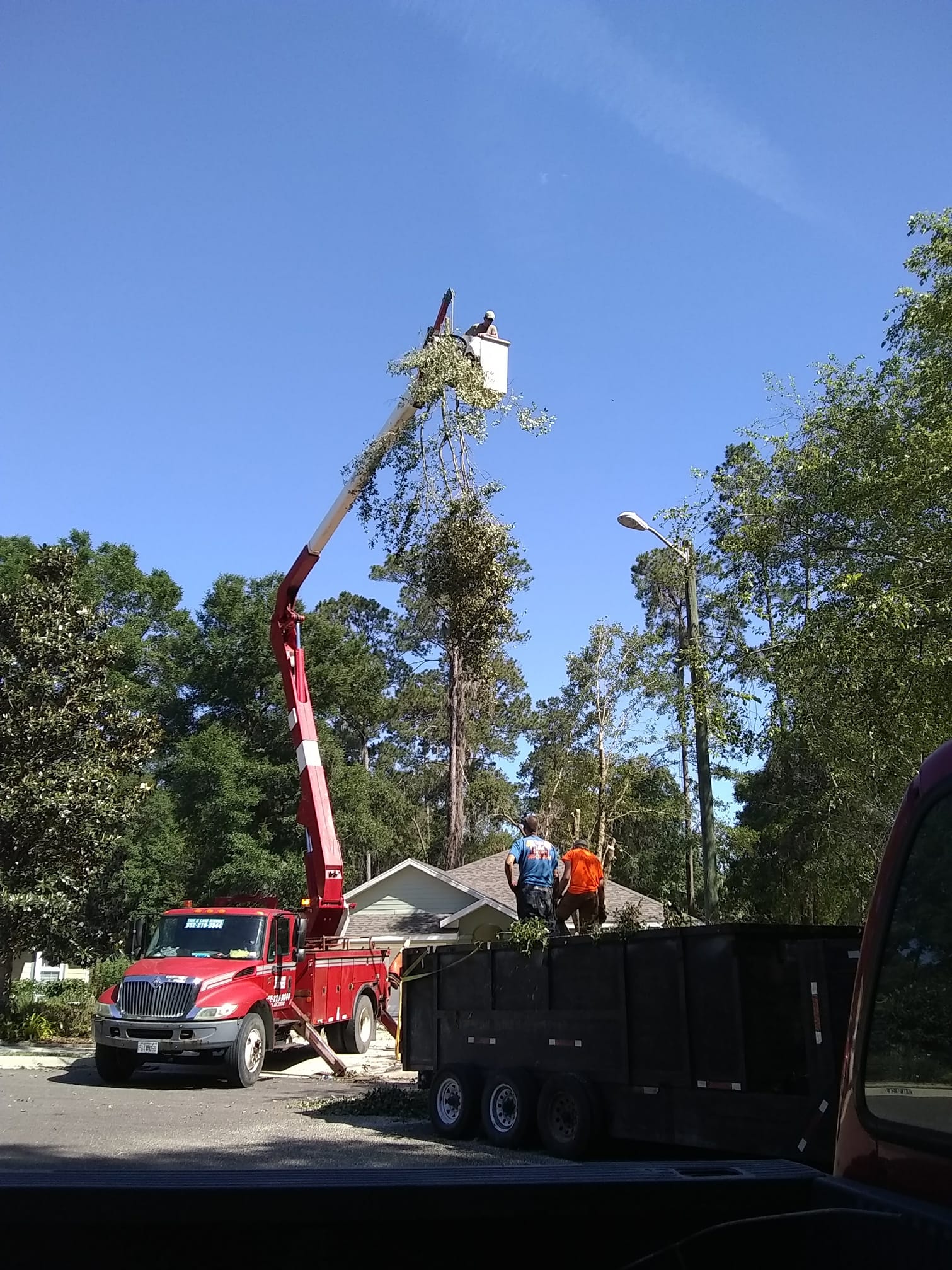
Regular tree care and maintenance are also crucial. Pruning, mulching, and monitoring for diseases help trees stay healthy, enabling them to perform their air-cleaning functions more effectively. Our team is equipped with the expertise and tools necessary to ensure trees thrive in urban settings, providing ongoing benefits to our communities.
In conclusion, the impact of trees on air quality cannot be overstated. From filtering pollutants and reducing greenhouse gases to cooling urban environments and supporting biodiversity, trees are indispensable to creating more sustainable and healthier cities. Asbell's Tree & Land Services is committed to fostering these green spaces for the betterment of urban living. Through conscious efforts and community engagement, we can all play a role in ensuring that urban areas continue to enjoy the purifying benefits of trees, enhancing the quality of life for generations to come.
/filters:no_upscale()/filters:format(webp)/media/9912cebb-3220-46ae-9d9f-5caaf4be7eb9.jpg)