The Role of Trees in Reducing Urban Heat: A Practical Guide Jan 11, 2026
Trees play a crucial part in cooling our cities. The process of transpiration allows trees to release moisture into the air, essentially functioning like nature's air conditioner. This not only helps to lower ambient temperatures but also improves air quality by filtering pollutants and increasing oxygen levels. By strategically planting trees in urban areas, communities can make significant strides in reducing summer temperatures.
When planning urban forestry, shade-providing species such as oaks, maples, and sycamores are preferred for their expansive canopies. These trees can lower temperatures beneath them by as much as 10 degrees Fahrenheit. For urban planners and residents alike, choosing the right species is key. Additionally, trees can be used as barriers. When planted alongside roads and pavements, they help mitigate the heat generated from these surfaces, reducing ambient temperatures.
Beyond cooling, trees offer a myriad of benefits that contribute to healthier urban living spaces. They sequester carbon dioxide, help manage stormwater through improved water absorption, and provide habitats for urban wildlife. Programs that promote tree planting provide the dual benefit of ecological preservation and enhanced urban habitat.
For those considering enhancing their urban landscape with trees, it's important to recognize the practical considerations involved. This includes selecting species native to the area to ensure better growth and integration into the local ecosystem. Native species tend to be more resilient to the specific climate and soil conditions of the area, reducing the need for intensive maintenance.
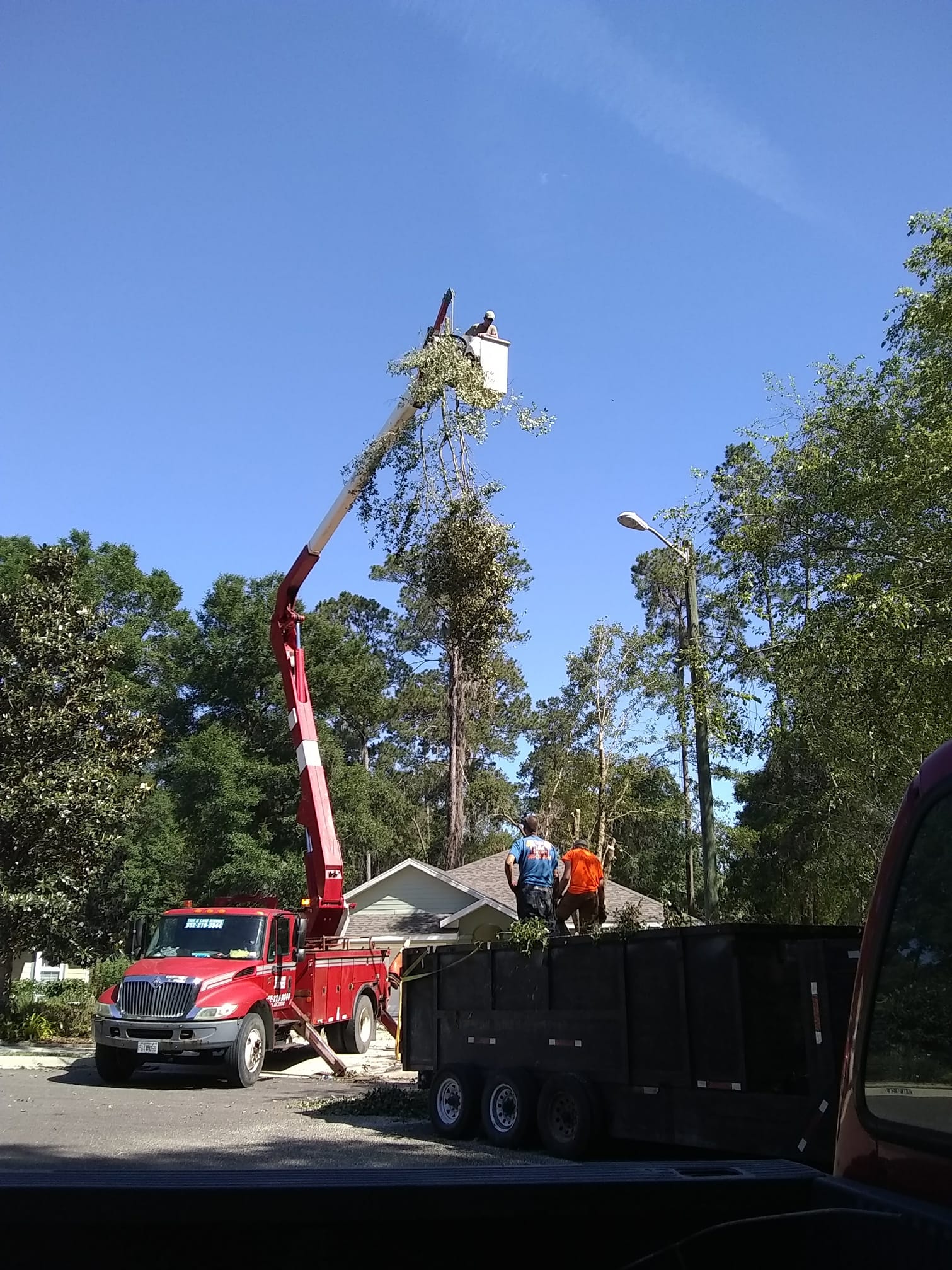
Moreover, professional tree services, such as those offered by Asbell's Tree & Land Services, can provide expert guidance on tree placement. Proper placement ensures that the greenery thrives and maximizes cooling potential. Services may include assessing soil health, determining suitable species, and creating planting strategies that align with urban planning guidelines.
Seasonal maintenance, including pruning and health assessments, are pivotal in preserving the health and effectiveness of urban trees. Regular maintenance not only ensures aesthetic appeal but also helps prevent any potential hazards posed by overgrown or damaged trees.
To maximize the benefits of trees in urban cooling, community involvement and education are crucial. Encouraging community engagement in tree-planting initiatives fosters a sense of responsibility and pride in maintaining local green spaces. Workshops, often held by local services, can provide valuable education on tree care, further empowering residents to participate actively in improving their urban environments.
In conclusion, trees are indispensable allies in the fight against urban heat. By leveraging their cooling abilities, cities can improve public health, promote biodiversity, and enhance the quality of life for all residents. Customers and urban planners working with Asbell's Tree & Land Services have the opportunity to play a pivotal role in transforming urban landscapes into cool, green havens. Investing in trees today can significantly benefit urban environments for generations to come, proving that the simplest solutions are often the most effective.
/filters:no_upscale()/filters:format(webp)/media/9912cebb-3220-46ae-9d9f-5caaf4be7eb9.jpg)